
Last updated on August 7th, 2024 at 04:28 pm
Senate Majority Leader Chuck Schumer (D-NY) is advancing legislation to declare former President Donald Trump’s efforts to challenge the 2020 election results to be “unofficial acts” not protected under existing presidential immunity standards.
Schumer’s effort follows the U.S. Supreme Court’s ruling last week, finding Trump has “absolute immunity from criminal prosecution for actions within his conclusive and preclusive constitutional authority” and is entitled to “at least presumptive immunity from prosecution for all his official acts.”
The Supreme Court’s decision put into question Special Counsel Jack Smith’s efforts to prosecute Trump on grounds his efforts to contest the 2020 election were unlawful.
The high court held, in a 6-3 decision, that Trump is not criminally liable for pressuring Justice Department officials to investigate allegations of election fraud, because the president has “exclusive authority and absolute discretion” to decide how the Justice Department operates.
The Supreme Court ruling did not outright end Smith’s D.C. prosecution against Trump. Instead, the high court remanded back to the lower courts to resolve some remaining questions of presidential immunity.
On allegations that Trump improperly pressured then-Vice President Mike Pence to reject the certification of the 2020 election results, the Supreme Court held that the allegation implicates official conduct and Trump is “at least presumptively immune from prosecution for such conduct.” The question for the lower court to now handle is whether Trump’s presumed presidential immunity is overcome by other circumstances in the interaction.
On allegations Trump’s communications with state election officials were unofficial acts, the Supreme Court neither sides with the prosecution or with Trump’s claims that he was acting within the scope of his presidential authority. The high court again instructed the lower courts to conduct a “fact-specific analysis of the indictment’s extensive and interrelated allegations.”
Rather than simply leave these remaining issues of presidential immunity to the court, Schumer is now pursuing legislation that will outright declare Trump’s actions to have been unofficial acts.
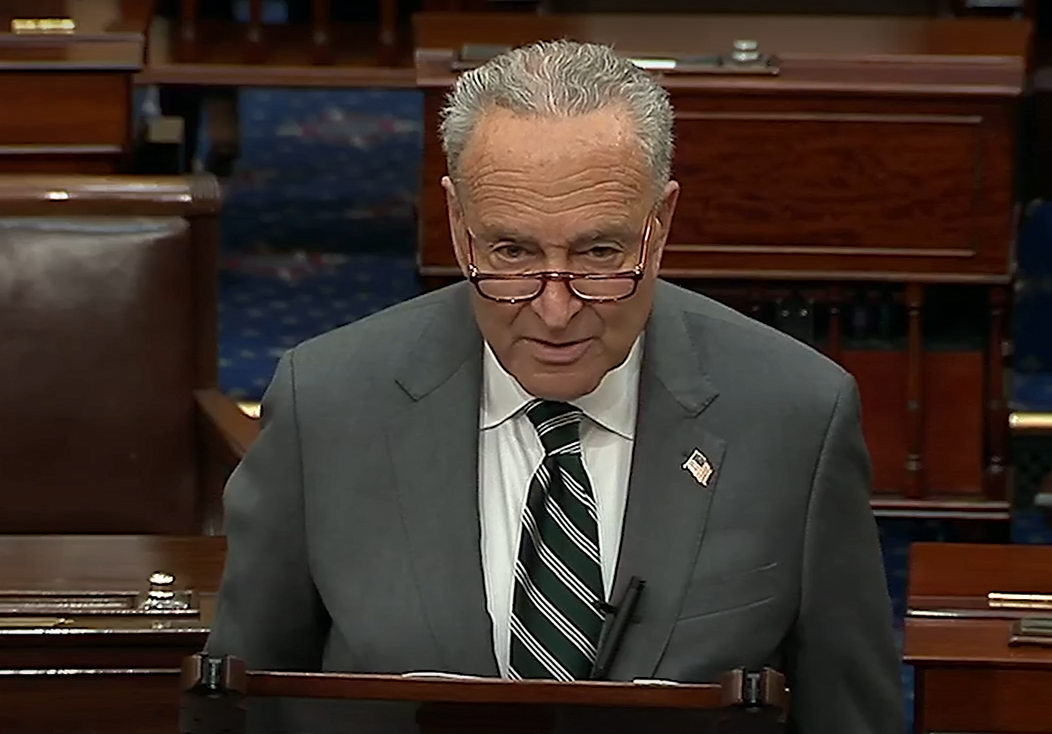
“I will work with my colleagues on legislation classifying Trump’s election-subversion acts as unofficial acts not subject to immunity,” Schumer said in a Monday Senate floor speech. “We’re doing this because we believe that in America, no president should be free to overturn an election against the will of the people, no matter what the conservative Justices may believe.”
The forthcoming legislation may not completely overcome Trump’s immunity claims, even if it does pass both houses of Congress.
“The move is more politically than legally compelling,” constitutional law scholar Jonathan Turley wrote in a Monday X post. “The decision is based on constitutional law and simply declaring whole areas ‘unofficial’ will not negate the ruling.”
Article 1, Section 9, Clause 3 stipulates that the federal government cannot pass any ex post facto laws; which are those retroactively declaring a past action to have been criminal. It remains to be seen how Congress and the federal courts will handle continued questions about Trump’s presidential immunity for his actions surrounding the 2020 election.
Author

Discover more from FreeBase News
Subscribe to get the latest posts sent to your email.
